
SPHN Member Spotlights
Each month, we shine a light on one of our SPHN members to amplify their innovative research and encourage collaboration across the network. We also share these on our SPHN LinkedIn page!
-
![]()
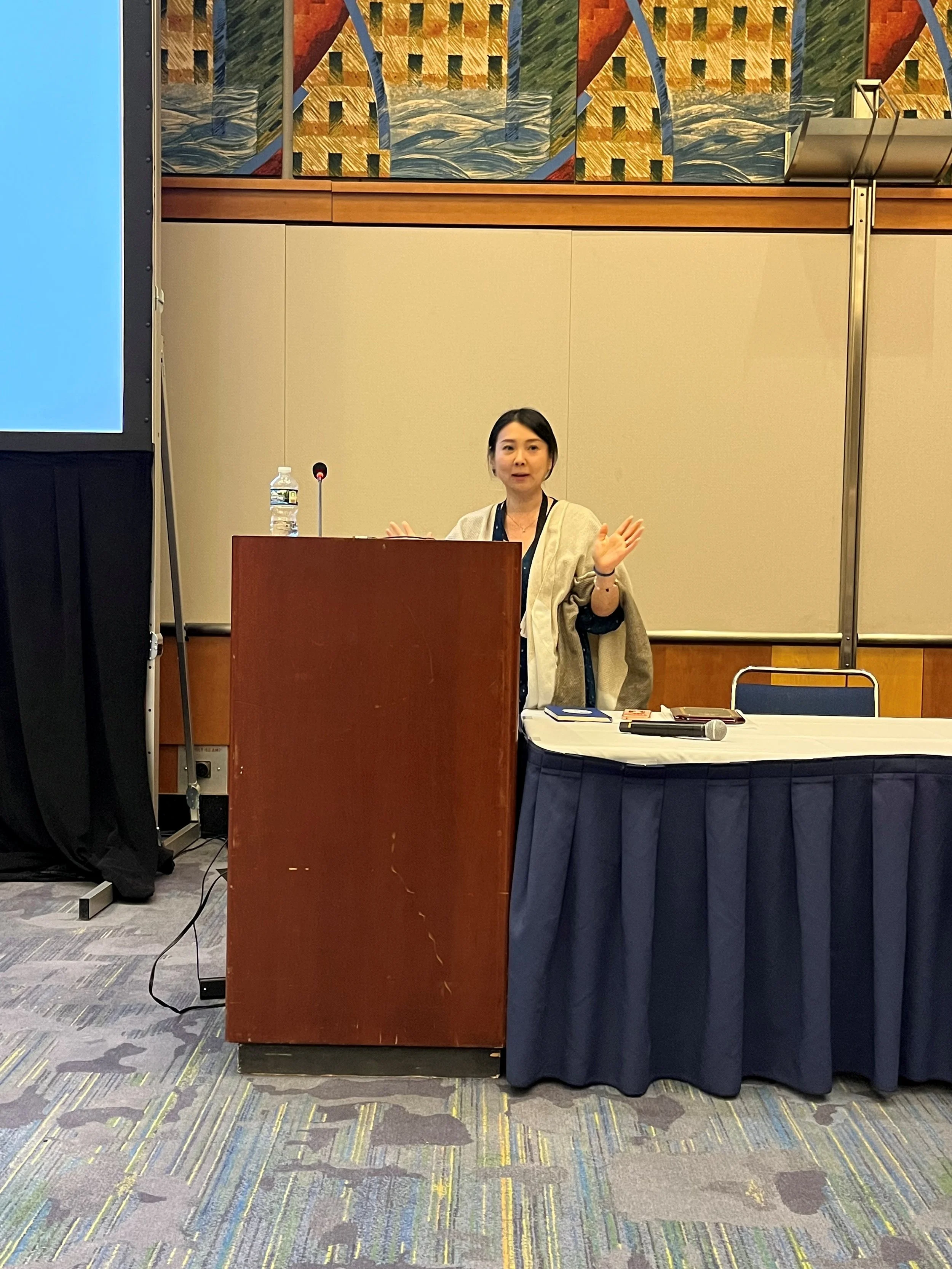
Mary Gerend, Ph.D.
Associate Professor, Florida State University College of Medicine
Dr. Mary Gerend is a social health psychologist and Associate Professor in the Department of Behavioral Sciences and Social Medicine at the Florida State University College of Medicine. She received her BA from the University of Minnesota and PhD from Arizona State University.
Dr. Gerend’s primary interests are cancer prevention (human papillomavirus vaccination, cancer screening), health messaging, and the health consequences of weight stigma.
What is your favorite part of the Health Preconference?
My favorite part of the Health Preconference is the opportunity to connect with former students and colleagues from around the country and the world. I also look forward to learning about the latest research in the field and meeting new collaborators. For me, the Health Preconference is the highlight of the annual SPSP convention.
What advice would you give a first-time SPHN attendee?
Introduce yourself and talk to as many new people as possible! I can be somewhat introverted, so talking with new people at conferences can be challenging. I wish I had taken advantage of the opportunity to meet and talk with more people at the first few conferences I attended. One of the best times to meet new people is during the poster session at the Health Preconference. People love talking about their work, so it’s an easy way to break the ice. I’ve also found that SPHN members are an especially friendly and supportive group.
What’s the research project you’re the proudest of in your career?
A clinical trial that didn’t work! It was my first trial funded by the National Cancer Institute to examine effects of gain- and loss-framed messages on HPV vaccine uptake. Although I was disappointed that we didn’t observe any differences in behavior across conditions, I was able to use the failed trial as an opportunity to test and compare two of health psychology’s predominant theories of health behavior (Health Belief Model and Theory of Planned Behavior) to predict vaccine uptake. It’s one of my most highly cited papers.
January 2026
-
![]()
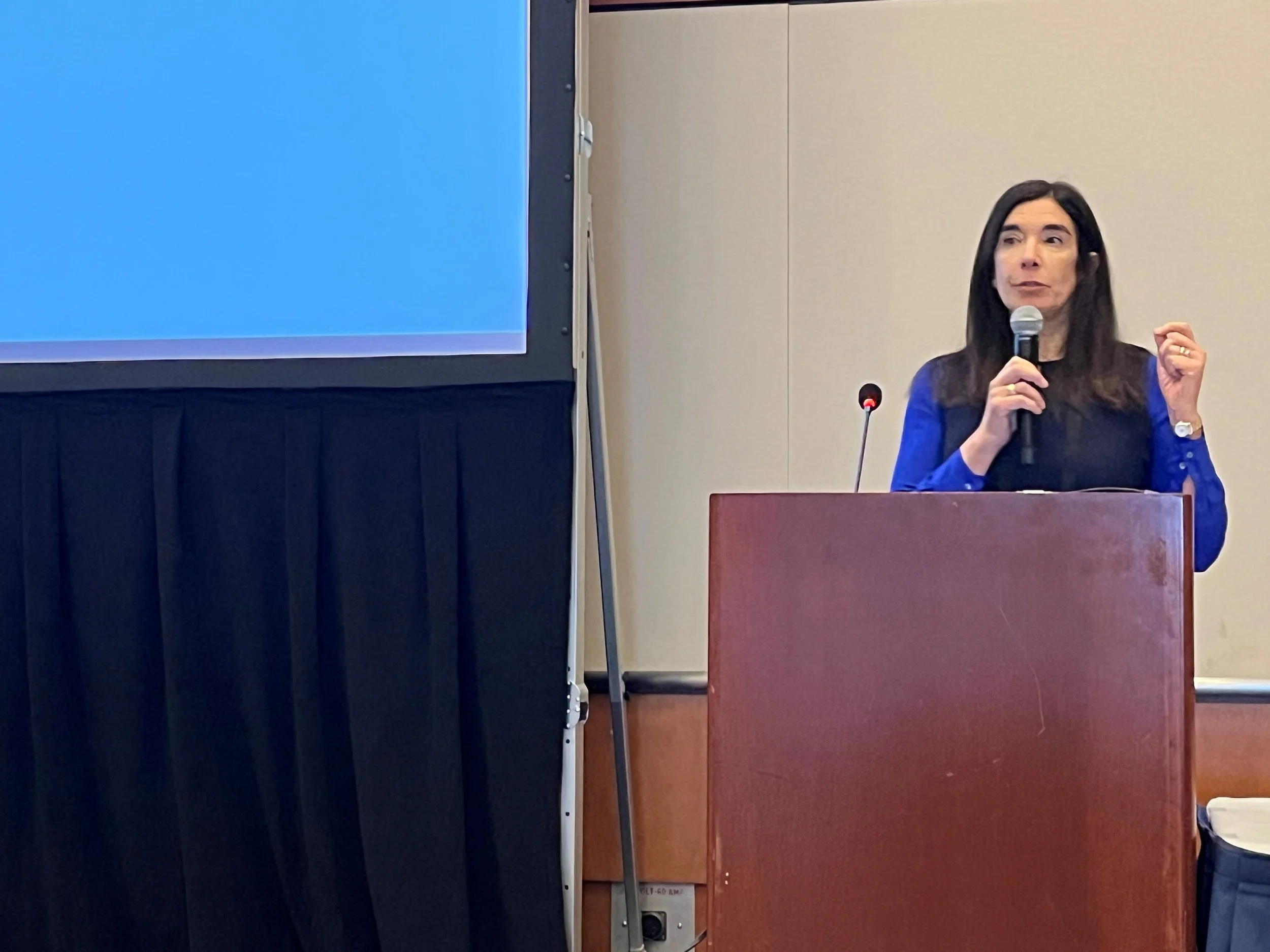
Joni Brown, Ph.D.
Postdoctoral Fellow, University of Maryland School of Public Health, Department of Family Science
Joni Brown is a President’s Postdoctoral Fellow in the Department of Family Science at the University of Maryland School of Public Health. She earned her MA and PhD in Health Psychology from the University of California, Los Angeles, and a BA in Psychology from St. John’s University. Joni’s research program investigates psychosocial and sociocultural influences on women’s sexual and reproductive health, particularly related to family planning and maternal health.
What area of health psych, other than your own, never fails to fascinate you?
I’ve always been fascinated by theories of health behavior because I think they truly highlight the complex nature of human beings, which I also encounter in my own work around topics of family planning. This is one of the many reasons why I enjoy social health psychology research.
What’s the research project/finding you’re the proudest of in your career?
I designed and conducted a qualitative study during my time as a graduate student, which was an incredible learning experience for me. This project allowed me to learn more about qualitative research methodology, engage with participants in a meaningful way, and make an important contribution to the literature on young Black women’s childhood socialization experiences. Furthermore, this project laid the foundation for my current work on Black women’s sexual and reproductive health.
What is your favorite topic/lecture to teach?
I really enjoy teaching about Black maternal health and inspiring students to continue learning more about pervasive health disparities in women’s sexual and reproductive health.
September 2026











Membership
Membership in the SPH Network is open to all researchers, practitioners, and policy-makers interested in the scientific study of human health from a social and personality psychology perspective. Check out our member database to learn more about who belongs to the network.
Dues and Benefits
Membership in the SPH Network confers several benefits, including access to the SPH Network listserv and the satisfaction of contributing to the advancement of the science of health! All members are equal partners in this enterprise.
Regular Membership (e.g., faculty & post-docs): $40
Student Membership: $25